
From 6 to 10 April 2026, our research project assistant Marja Kovanda completed an Erasmus+ staff mobility visit at the Anthropology Department of Universitas Gadjah Mada (UGM) in Yogyakarta, Indonesia.
The mobility was organised and coordinated by Dr. Agung Wickasono, Head of Department, who warmly welcomed her upon arrival and facilitated a comprehensive introduction to the department’s academic activities, research environment, and international collaborations.
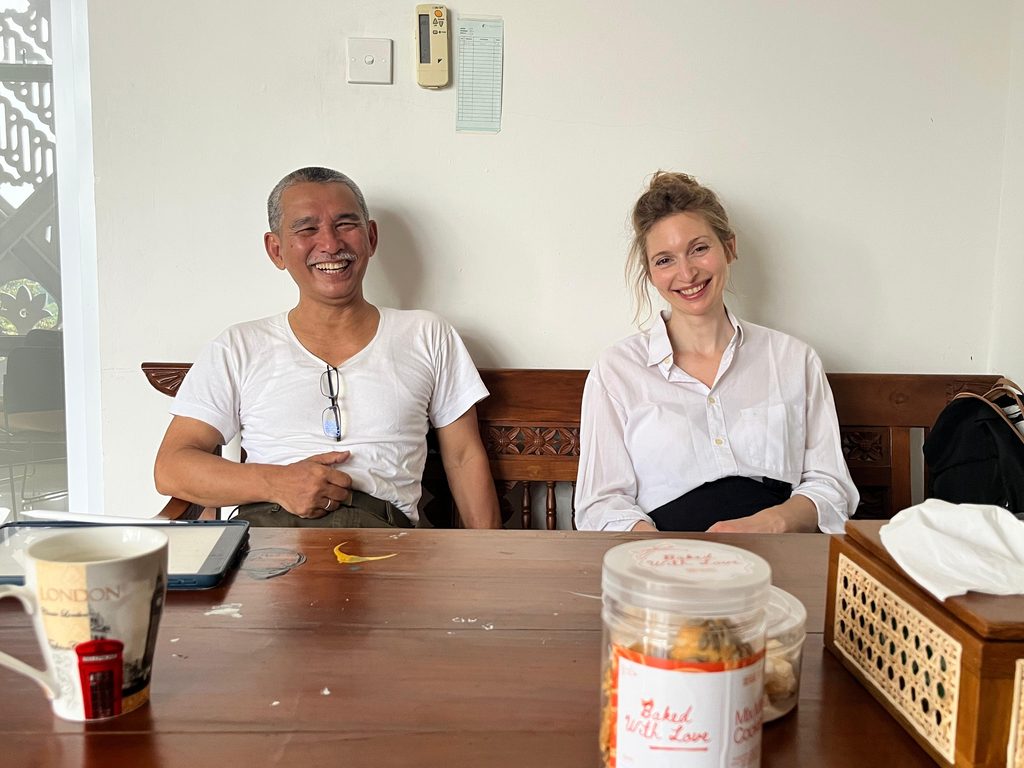
The visit began with a general meeting attended by members of the department’s leadership team, Prof. Dr. Atik Triratnawati, Dr. Sita Hidayah, Dr. Suzie Handajani and Dr. Elan Ardri Lazuardi.
During these meetings, we discussed the organisation of the department, its teaching programmes, research priorities, international cooperation, and current challenges in anthropological research.
One particularly interesting discussion was with Dr. Elan Ardri Lazuardi, who presented her ongoing research on app-based transportation workers and Go-Jek drivers in Indonesia. The project examines labour conditions, platform economies, and the everyday experiences of gig workers, touching on issues that resonate with recent campaigns and advocacy initiatives undertaken in Slovenia by the youth workers’ organisation Mladi Plus regarding the rights and working conditions of platform and delivery workers. The comparison provided valuable insights into the similarities and differences between platform labour in Europe and Southeast Asia.
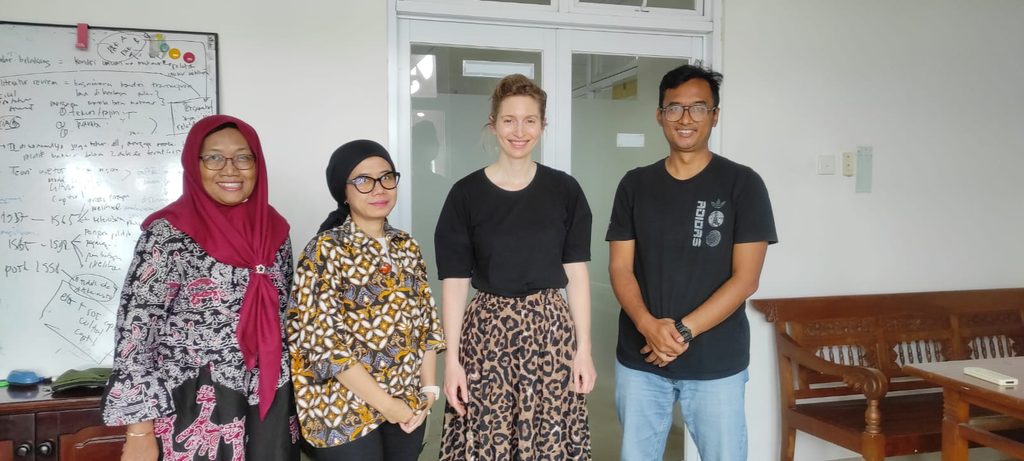
Particular attention of the exchange was given to discussions on research ethics, data management, and open science. We exchanged experiences regarding ethical review procedures, informed consent, access to research data, repository systems, open-access publishing, and the responsible sharing of research materials. The department has also invested in digitalisation initiatives, including the development of digital applications that support research and community engagement.
Another aspect that stood out was the department’s commitment to community-oriented anthropology. Researchers regularly return research findings to participating communities through workshops, public presentations, focus groups, and engagement with local governments and NGOs. Students are encouraged to communicate their research in diverse formats, including ethnographic films, exhibitions, and other public-facing outputs, while ethnographic field training remains a core component of the curriculum.
A substantial part of the mobility was dedicated to learning about the structure of the Anthropology Department at Universitas Gadjah Mada (UGM), including its undergraduate and graduate programmes, internal quality assurance procedures, research support structures, and international activities.
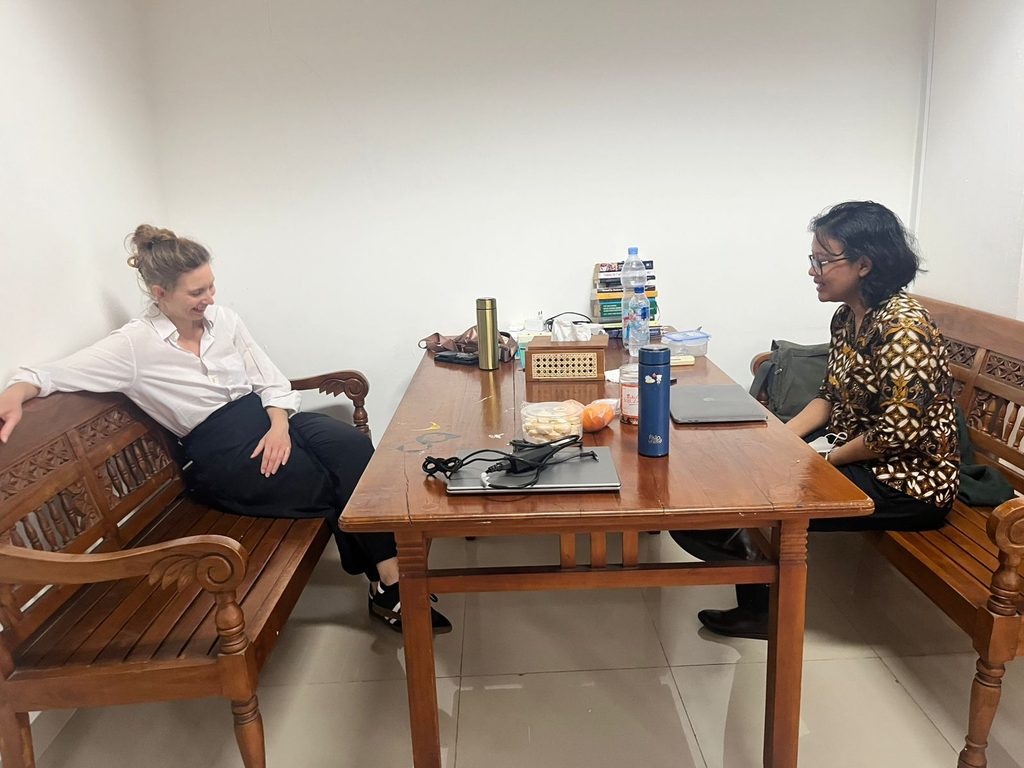
The department holds the highest level of national accreditation in Indonesia and maintains a strong international profile through its participation in global subject rankings. The department operates a comprehensive internal quality assurance system and places significant emphasis on research productivity, international collaboration, and student and staff mobility activities.
It also maintains an active international network and participates in a range of collaborative research, teaching, and mobility activities. Current international partnerships include cooperation with the University of Vienna through the Erasmus+ programme, which supports collaborative research and student exchange, as well as long-standing cooperation with Albert-Ludwigs-Universität Freiburg through joint research training, student exchanges, and collaborative fieldwork projects. The department is also involved in research collaborations with institutions such as Universität Zürich and Universiteit van Amsterdam.
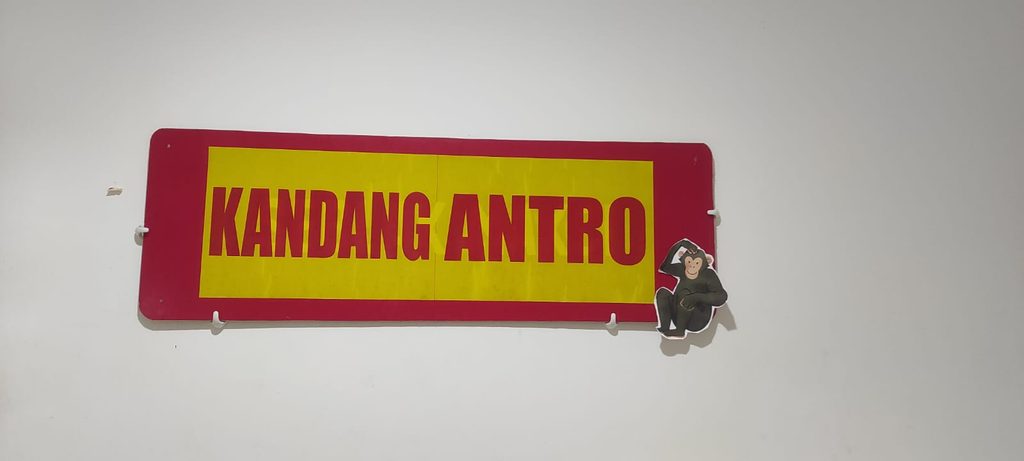
During the visit, colleagues presented several ongoing international cooperation activities, including the project Anthropology of the Urban Future – Take the Path to Bigger World, conducted in collaboration with Albert-Ludwigs-Universität Freiburg, and the long-running Tandem Research Training programme, which has connected students and academic staff from both institutions since 2004 through joint fieldwork and research-based learning.
Marja also introduced her work as an assistant project coordinator of the DEAGENCY project, which explores agency and social relations in the context of human relationships with the dead.. The discussion revealed several overlaps with the project MARS: Non-Western Migration Regimes in a Global Perspective, a European Commission MSCA Staff Exchange project led by Lund University, with Universitas Gadjah Mada (UGM) as a partner.
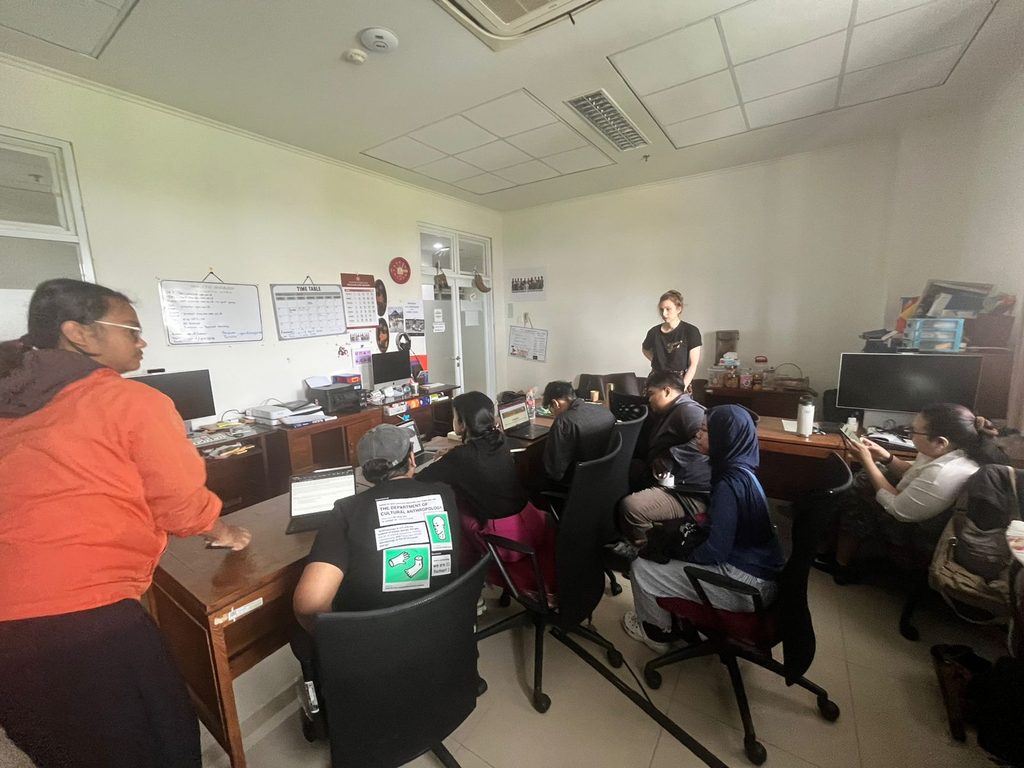
During the visit, Marja also met with former Head of Department Prof. Budjo, who expressed a strong interest in Southeast Europe and discussed possibilities for future cooperation. Meetings with Department Secretary Fajrul Falah Nazarudin and his student support team provided additional insight into the department’s administration and student involvement in institutional activities.
Marja was furthermore introduced to PIKA, the department’s innovation and management unit, which supports project development, research administration, and institutional cooperation. Discussions concluded with an exchange of ideas regarding future collaboration between the University of Ljubljana and UGM, including staff exchanges, student mobility, joint research projects, and potential institutional agreements.
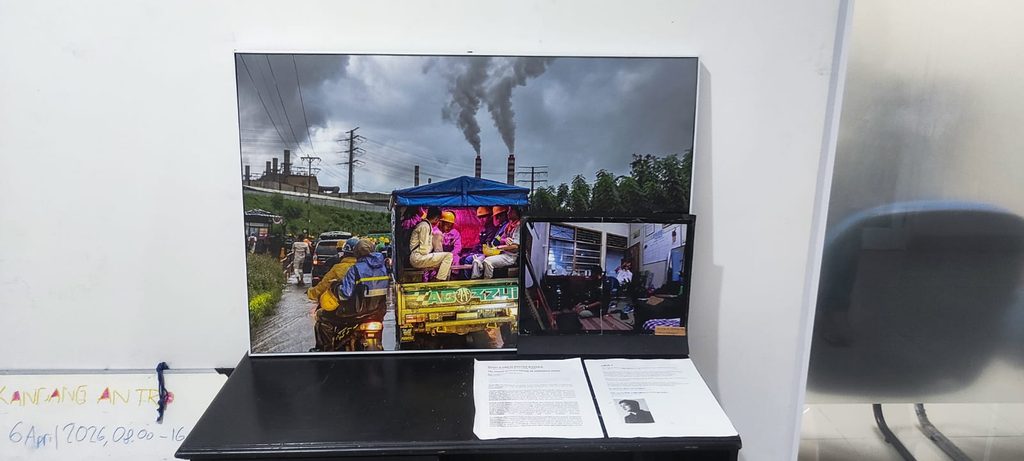
Overall, the Erasmus+ staff mobility visit provided an excellent opportunity to gain insight into the academic, administrative, and research activities of the Anthropology Department at Universitas Gadjah Mada. The exchange fostered valuable discussions on research ethics, open science, international cooperation, and community-engaged anthropology, while also enabling the identification of shared research interests and potential areas for future collaboration. The visit contributed to strengthening institutional ties between the University of Ljubljana and UGM and laid the groundwork for possible future cooperation through staff and student exchanges, joint research initiatives, and broader international networking activities.